Healthy hair growth begins with a healthy scalp—and few nutrients support that foundation as quietly and effectively as vitamin E. Best known for its antioxidant capacity, vitamin E helps defend follicle cells from oxidative stress, supports the scalp’s lipid barrier, and creates conditions where new growth can unfold at its own natural pace.
During postpartum recovery, when hormonal shifts, stress, and sleep changes can disrupt scalp comfort, vitamin E offers gentle protection. It doesn’t “force” growth; it protects the environment that growth depends on—circulation, hydration, and barrier integrity.
Why Vitamin E Matters for Hair Health
Hair follicles are metabolically active mini-organs. Because they constantly cycle through growth and rest, they’re vulnerable to oxidative stress—free-radical damage that can weaken cell membranes, lipids, and proteins. Vitamin E (a family of tocopherols and tocotrienols) neutralizes these free radicals and helps stabilize cell structures, particularly in lipid membranes (Traber & Atkinson, 2007).
Beyond antioxidant defense, vitamin E plays a supportive role in microcirculation and helps maintain the stratum corneum lipids on the scalp surface. A comfortable, well-hydrated scalp is more resilient to everyday stressors, which can translate into better quality regrowth over time.
Evidence Snapshot: What Research Shows
- Human supplementation (tocotrienols). In a 2010 randomized, placebo-controlled study, adults taking tocotrienol-rich vitamin E supplements for 8 months showed a significant increase in hair count compared with placebo, likely due to reduced oxidative stress in the scalp (Beoy, Cham, & Chuah, 2010).
- Micronutrient reviews. Clinical reviews note that while vitamin E is not a drug for hair growth, its antioxidant and barrier-support roles can aid patients with increased shedding or hair fragility—especially when low-grade inflammation and oxidative stress are present (Almohanna, Ahmed, Tsatalis, & Tosti, 2019).
- Cutaneous protection. Vitamin E helps protect surface lipids and keratin from UV-induced oxidation, contributing to overall hair fiber quality and scalp comfort (Traber & Atkinson, 2007).
Takeaway: vitamin E supports the conditions for regeneration (less oxidative damage, better barrier function, calmer scalp). That’s precisely what postpartum scalps need.
Vitamin E and Postpartum Hair
Postpartum shedding peaks around months 3–4 after delivery as estrogen levels normalize and more follicles enter telogen (resting phase). This process is temporary, but it can feel unsettling. Vitamin E can help by:
- Limiting oxidative stress around follicles during the transition.
- Supporting the scalp’s lipid barrier, which often feels dry or irritated post-birth.
- Complementing a routine centered on hydration, gentle cleansing, and rest.
If you’d like the broader context—including routines, nutrition, and timelines—explore our complete postpartum hair loss guide (link this anchor to your hub).
How to Use Vitamin E Safely (Topical & Dietary)
1) Topical (once or twice weekly)
- Serum or oil blend: Mix a few drops of vitamin E oil into a lightweight carrier (jojoba, argan). Massage the scalp for 3–5 minutes, then leave on 15–30 minutes before washing.
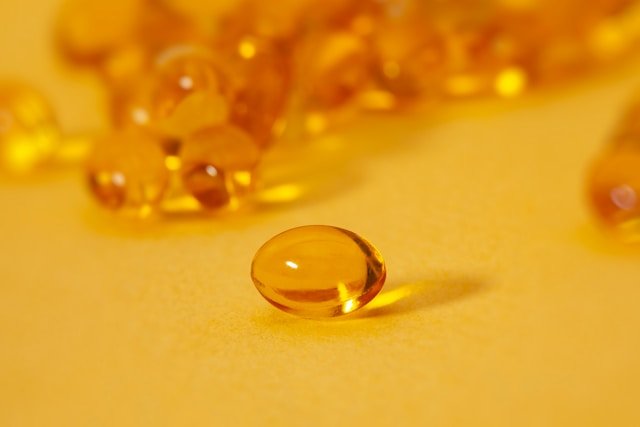
- Mask booster: Add vitamin E from a capsule to an aloe-based mask for ends or mid-lengths when hair feels rough.
Tip: Pure vitamin E can be heavy—use sparingly to avoid buildup. Patch-test if your skin is sensitive.
2) Diet (daily)
- Include almonds, sunflower seeds, hazelnuts, avocado, and spinach.
- A balanced plate supporting ferritin (iron) and zinc will amplify hair metabolism and complement vitamin E’s protective role.
3) Supplements (case-by-case)
- Consider a mixed tocopherol/tocotrienol supplement if your diet lacks vitamin-E-rich foods.
- Discuss with a healthcare professional if you are breastfeeding or on medications.
Gentle Synergy: Vitamin E With Other Allies
- Green tea (EGCG): A calm bioactive that helps modulate inflammatory signals and may encourage follicle activity; it complements vitamin E’s membrane protection.
- Argan and avocado oils: Naturally rich in vitamin E and unsaturated lipids—ideal carriers for scalp comfort and hair fiber smoothness.
- Biotin, iron, zinc: Internal cofactors for keratin and follicle function. Vitamin E protects what these nutrients help build.
A Simple Weekly Plan (Postpartum-Friendly)
Day 1: Vitamin E + carrier-oil scalp massage (10 minutes)
Day 2: Wash with a mild, pH-balanced cleanser; condition lengths only
Day 3: Air dry; avoid heat tools; gentle detangling from ends upward
Day 4: Vitamin-E-rich foods (nuts, seeds, avocado) + hydration focus
Day 5: Aloe + vitamin E mask for mid-lengths and ends
Day 6: Light scalp massage without oil (2–3 minutes)
Day 7: Rest day; observe how your scalp feels and adjust amounts
Consistency > intensity. The goal is comfort, balance, and patience.
What to Expect (Realistic Timelines)
- 2–4 weeks: Scalp feels calmer; hair fibers look less dull.
- 8–12 weeks: Shedding typically eases; regrowth texture feels stronger.
- 3–6 months: Progressive improvement aligns with the natural hair cycle.
Vitamin E is a protector, not a quick fix. Its value compounds quietly over time.
Key Takeaway
Vitamin E helps your hair by caring for what you can’t see—cell membranes, lipids, and oxidative balance. In postpartum recovery, that gentle protection is exactly what allows new growth to appear smoother, stronger, and more comfortable at the scalp.
For the bigger picture, remember to explore our complete postpartum hair loss guide for routines, timeframes, and calming care principles. 🌿
References (APA)
Almohanna, H. M., Ahmed, A. A., Tsatalis, J. P., & Tosti, A. (2019). The role of vitamins and minerals in hair loss: A review. Dermatology and Therapy, 9(1), 51–70. https://doi.org/10.1007/s13555-018-0278-6
Beoy, L. A., Cham, K. W., & Chuah, S. Y. (2010). Effects of tocotrienol supplementation on hair growth in human volunteers. Tropical Life Sciences Research, 21(2), 91–99.
Traber, M. G., & Atkinson, J. (2007). Vitamin E, antioxidant and nothing more. Free Radical Biology and Medicine, 43(1), 4–15. https://doi.org/10.1016/j.freeradbiomed.2007.03.024
(You can optionally cite a green-tea/EGCG paper where relevant in a future antioxidant-focused post.)