
Motherhood changes everything — your body, your emotions, your hormones, and yes, even your hair.
For many women, postpartum shedding can feel alarming. But the truth is: hair loss after childbirth is a natural, temporary phase — and nature offers some of the best tools to support recovery.
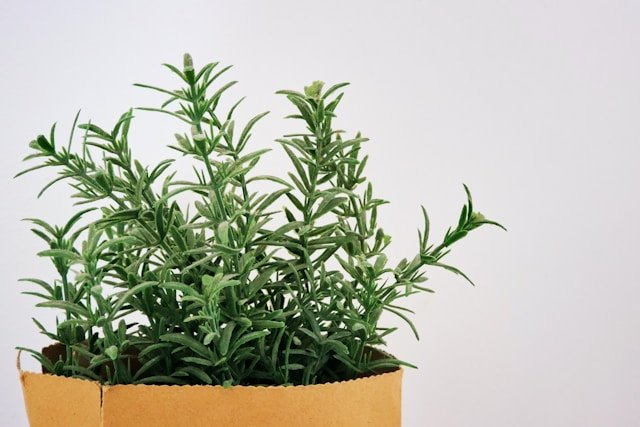
Among these, rosemary oil stands out as one of the most studied, time-tested, and gentle ways to promote regrowth and balance the scalp.
Understanding Postpartum Hair Loss
After pregnancy, estrogen levels drop dramatically. During pregnancy, this hormone kept hair in its growth phase (anagen) longer, resulting in thicker, fuller locks. Once estrogen stabilizes post-birth, many hairs enter the resting (telogen) phase simultaneously — leading to increased shedding for about three to six months (Mirmirani, 2011).
This process, called telogen effluvium, usually resolves on its own. But that doesn’t mean there’s nothing you can do. Supporting scalp health, blood circulation, and nutrient delivery can significantly improve the environment for regrowth — and that’s exactly where rosemary oil shines.
Why Rosemary Oil Helps With Hair Regrowth
Rosemary (Rosmarinus officinalis) isn’t just an aromatic herb — it’s a potent botanical extract rich in antioxidants, anti-inflammatory compounds, and natural stimulants for circulation.
Here’s how it works on a biological level:
- Improves Blood Circulation:
Rosemary oil increases microcirculation in the scalp, which enhances oxygen and nutrient delivery to hair follicles (Panahi et al., 2015). This can help “wake up” dormant follicles after hormonal shedding. - Reduces DHT Activity:
Dihydrotestosterone (DHT) is a hormone linked to hair thinning. Studies suggest rosemary oil may inhibit 5-alpha-reductase, the enzyme that converts testosterone into DHT (Murata et al., 2013). This mechanism mirrors the effect of some medical hair-growth treatments — but in a natural, non-irritating way. - Provides Antioxidant Protection:
Its phenolic compounds (rosmarinic acid, carnosic acid) neutralize free radicals that damage follicles, while also calming inflammation that can delay regrowth (Nogueira de Melo et al., 2021). - Supports Sebum Balance:
Rosemary helps regulate oil production, making it ideal for postpartum scalps that often fluctuate between dryness and oiliness due to hormonal changes.
Together, these effects make rosemary oil one of the most evidence-backed natural options for promoting postpartum hair recovery.
What Science Says: Research Evidence
Clinical evidence has grown significantly in the past decade, supporting rosemary oil’s role in improving hair density and growth.
- A 2015 randomized controlled trial compared rosemary oil to 2% minoxidil (a common pharmaceutical hair treatment). After six months, both groups showed similar increases in hair count — but the rosemary group experienced fewer side effects such as itching or irritation (Panahi et al., 2015).
- In animal models, carnosic acid (found in rosemary leaves) was shown to improve tissue repair and nerve regeneration, suggesting enhanced cellular metabolism around follicles (Murata et al., 2013).
- Additional studies demonstrate rosemary’s strong antioxidant potential, which helps protect scalp cells from oxidative stress — a major factor in hair aging and postpartum shedding (Nogueira de Melo et al., 2021).
In short: rosemary oil may not be a miracle, but it’s a scientifically credible, gentle ally for those navigating postpartum hair changes.
How to Use Rosemary Oil Safely After Pregnancy
Rosemary oil can be used in several ways — but always remember that essential oils are potent, and dilution is key.
1️⃣ As a Scalp Massage Oil
Mix 2–3 drops of rosemary essential oil with a carrier oil such as jojoba, coconut, or argan oil. Massage gently into the scalp for 3–5 minutes before shampooing. This helps stimulate blood flow and deliver nutrients deep into follicles.
2️⃣ In a Hair Mask or Serum
Add a few drops into your favorite hair mask, or mix with aloe vera gel for a soothing scalp serum.
3️⃣ As a Leave-In Rinse
Infuse fresh rosemary sprigs in warm water for 10–15 minutes. Once cooled, use it as a final rinse after washing to add shine and refresh the scalp.
⚠️ Tip: Avoid direct use of undiluted rosemary essential oil on the scalp, especially during breastfeeding. Always patch test on the inner arm before regular use.
Pairing Rosemary Oil With Gentle, Balanced Hair Care
Rosemary oil works best as part of a broader gentle care system that respects the scalp’s natural barrier.
Aggressive cleansing, silicone buildup, or harsh fragrance can undo the progress you make with nourishing oils.
If you’re building a postpartum routine, start with a mild, sulfate-free cleanser and minimal styling. Look for formulations rich in plant actives and balanced pH — ideally designed for sensitivity and recovery.
A clinically tested product such as a
<a href=”https://www.evavitae.com/best-shampoo-for-postpartum-hair-loss/” target=”_blank” rel=”noopener”>gentle postpartum shampoo</a>
can complement rosemary oil perfectly by maintaining scalp hydration while supporting new growth.
Used together — daily gentle cleansing + weekly rosemary massage — you’re giving your scalp both balance and stimulation.
Integrating Rosemary Into a Postpartum Routine
Here’s a calm, practical approach to include rosemary in your weekly care:
Day 1: Scalp massage with rosemary-infused oil (10 min)
Day 2: Gentle wash using a sulfate-free postpartum shampoo
Day 3: Air-dry naturally and avoid heat styling
Day 4: Hydrate + nutrition focus (biotin, zinc, iron)
Day 5: Mindful scalp exfoliation with sugar + aloe base
Day 6: Apply a lightweight rosemary-aloe scalp serum
Day 7: Rest — no treatments, just breathe
Consistency matters more than intensity. You’re rebuilding not just your hair, but your rhythm and confidence.
The Emotional Side of Postpartum Hair Recovery
Hair loss after childbirth isn’t just physical — it can touch self-esteem deeply.
Many new mothers describe feeling like they’ve “lost part of themselves.”
Gentle routines like rosemary oil massages aren’t only about regrowth; they’re moments of reconnection.
The scent of rosemary itself has been shown to ease stress and improve alertness (Moss et al., 2012), helping you feel calmer in the process.
When to Expect Results
Patience is key.
Most people begin to notice reduced shedding within 6–8 weeks of consistent use, and visible regrowth around the 3–4 month mark.
This aligns with the natural hair cycle’s duration — follicles need time to re-enter the growth phase.
Consistency, gentle care, and good nutrition are the quiet formula for lasting improvement.
Key Takeaway
Rosemary oil is not a quick fix — it’s a reminder that nature heals through time, not haste.
By nourishing the scalp, calming inflammation, and improving circulation, it offers one of the safest and most natural ways to support postpartum hair recovery.
Pair it with a balanced diet, mindful rest, and a gentle postpartum shampoo
to restore your scalp’s harmony — and your confidence — from within. 🌿
References
Mirmirani, P. (2011). Hormonal changes in hair growth and loss. Dermatologic Clinics, 29(1), 93–97. https://doi.org/10.1016/j.det.2010.08.012
Murata, K., Noguchi, K., Kondo, M., Onishi, M., Watanabe, N., & Okamura, K. (2013). Promotion of hair growth by rosmarinic acid through improved cell proliferation and inhibition of apoptosis. Planta Medica, 79(8), 636–642. https://doi.org/10.1055/s-0032-1328329
Panahi, Y., Taghizadeh, M., Marzony, E. T., & Sahebkar, A. (2015). Rosemary oil vs minoxidil 2% for the treatment of androgenetic alopecia: A randomized comparative trial. SkinMed, 13(1), 15–21.
Nogueira de Melo, G. A., Grespan, R., Fonseca, J. P., Farinha, T. O., Silva, E. L., & Bersani-Amado, C. A. (2021). Rosmarinic acid and its therapeutic potential: A review of the latest literature. Phytotherapy Research, 35(11), 6130–6148. https://doi.org/10.1002/ptr.7195
Moss, M., Cook, J., Wesnes, K., & Duckett, P. (2012). Aromas of rosemary and lavender essential oils differentially affect cognition and mood in healthy adults. International Journal of Neuroscience, 113(1), 15–38. https://doi.org/10.1080/00207450390161903