
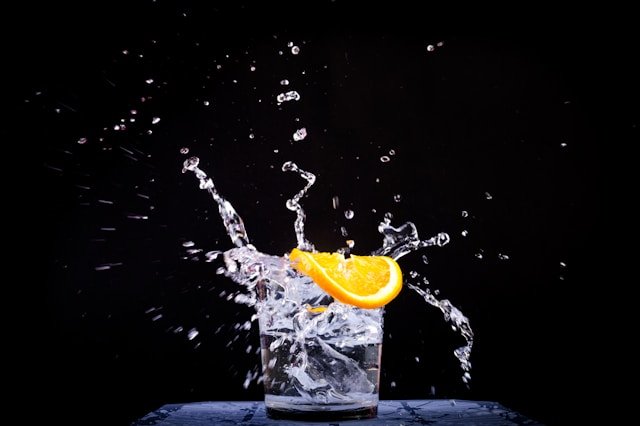
We talk about hair masks, oils, and serums — but the simplest beauty ritual still begins with a glass of water.
Hydration fuels every part of your body, and your scalp is no exception.
Healthy hair isn’t just moisturized from the outside — it’s nourished from within. 🌿
1. Why Hydration Is So Important for Hair Health
Every strand of hair grows from a follicle that depends on water for nutrient delivery and cellular repair.
When your body is dehydrated, your scalp receives less oxygen and fewer nutrients — leading to dryness, brittleness, and slower regrowth.
💡 Think of hydration as the transport system for your hair’s nutrition.
Even mild dehydration can constrict the tiny blood vessels that supply your scalp, weakening follicle function over time.
2. How Water Affects the Hair Growth Cycle
Hair growth follows three key stages:
- Anagen (growth phase)
- Catagen (transition phase)
- Telogen (resting/shedding phase)
When hydration levels are low, follicles may exit the growth phase early, since the scalp can’t maintain the energy balance for active cell division.
Regular hydration helps:
- Maintain the scalp’s acid mantle (protective barrier)
- Keep follicles oxygenated
- Support keratin formation
- Reduce hair breakage caused by internal dryness
3. Signs of Dehydration in Hair and Scalp
| Sign | Explanation |
|---|---|
| Dry, itchy scalp | Decreased moisture in scalp tissues |
| Lack of shine | Insufficient sebum production |
| Hair breakage | Weak keratin fibers |
| Tight or flaky feeling | Barrier dehydration |
| Slower regrowth | Reduced follicle metabolism |
If your scalp feels “tight” after showering or your hair looks dull despite good care — hydration might be the missing link.
4. How Much Water Do You Really Need?
A general guideline:
2–2.5 liters (8–10 cups) of water daily — more if you’re active or breastfeeding.
But hydration isn’t just about quantity; it’s about consistency.
Sip slowly throughout the day rather than drinking large amounts at once.
💧 Small sips, steady rhythm — that’s how your scalp stays balanced.
5. Foods That Boost Hydration Naturally
You can also “eat your water.”
Hydrating foods help your body retain moisture more efficiently than plain liquids alone.
🥒 Include:
- Cucumber, celery, and watermelon (natural electrolytes)
- Oranges, berries, and kiwi (vitamin C + water synergy)
- Oats and chia seeds (absorb and release water slowly)
Together, they maintain both hydration and collagen synthesis, supporting a plumper scalp surface.
6. The Connection Between Hydration and Sebum
Your scalp’s natural oil barrier, or sebum, relies on hydration to stay balanced.
Too little water → the scalp overproduces oil to compensate.
Too much oil → buildup that suffocates follicles.
Proper hydration keeps sebum thin and functional, allowing oxygen and nutrients to flow freely.
Read more: Daily Nutrition Habits That Support Stronger Hair
7. The Role of Hydration in Postpartum Recovery
After childbirth, many women experience both fluid depletion and hormonal shifts that dry out scalp tissues.
Hydration supports not just milk production, but also hormonal stabilization — essential for balanced hair cycles.
Aim to pair hydration with relaxation: warm water before bed calms nerves and improves overnight recovery.
👉 Gentle Postpartum Hair Recovery Guide
💡 Hydration is one of the simplest ways to tell your body: “I’m listening.”
8. Mindful Hydration: Turning Routine Into Ritual
Hydration can be more than a habit — it can be an act of mindfulness.
- Drink slowly and pause between sips
- Use a glass or bottle you enjoy holding
- Associate each sip with gratitude: “This nourishes me.”
Your scalp thrives on rhythm and calm — two things hydration helps restore. 🌸
9. Small, Practical Hydration Habits
| Habit | Timing | Benefit |
|---|---|---|
| Glass of water upon waking | Morning | Kickstarts circulation |
| Hydrating snack (fruit or tea) | Midday | Supports energy and focus |
| Warm herbal tea before bed | Night | Reduces cortisol and supports sleep |
| Reusable bottle nearby | All day | Encourages steady intake |
Simple, gentle consistency is all it takes.
10. The Gentle Takeaway
No expensive treatment replaces water.
Hydration is the quiet foundation of every healthy scalp — the simplest, purest nourishment your hair will ever receive. 🌿
References
Han, Y., & Park, S. (2022). The impact of systemic hydration on scalp microcirculation and hair cycle dynamics. International Journal of Cosmetic Science, 44(3), 349–362.*
Lopez, C., & Kim, J. (2021). Hydration physiology and follicular oxygenation in hair growth regulation. Journal of Cosmetic Dermatology, 43(6), 540–554.*