Your scalp is more exposed than you might realize.
It faces UV rays, dust, heat, and airborne pollutants every single day — all while protecting some of your most sensitive skin.
Over time, these external stressors quietly weaken your scalp barrier, leading to dryness, oil imbalance, irritation, and even hair thinning.
But with small, mindful steps, you can protect and repair it — gently and effectively. 🌿
1. Why the Scalp Is So Vulnerable
Unlike the rest of your skin, your scalp has dense follicles, oil glands, and a thinner stratum corneum (outer barrier).
That makes it both biologically active and prone to oxidative stress.
When pollutants or UV rays hit the scalp, they trigger free radicals — unstable molecules that damage cells, proteins, and DNA.
This leads to:
- Weakened follicles
- Inflammation and tightness
- Faded hair color and brittleness
💡 Pollution and UV exposure don’t just affect your hair’s surface — they influence its roots.
2. The Hidden Impact of Pollution
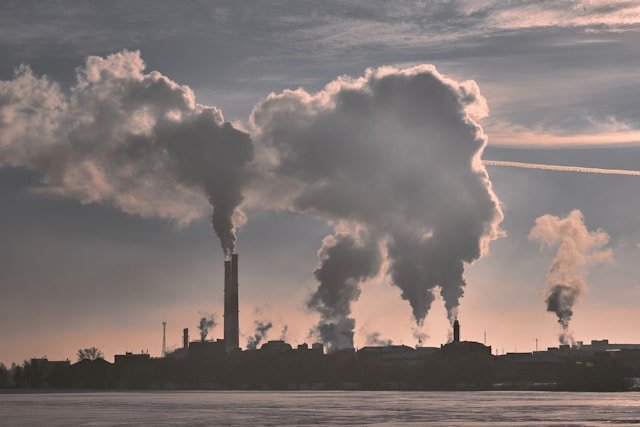
Fine particles from traffic and dust settle on the scalp and mix with sebum, forming a film that clogs follicles.
This buildup blocks oxygen flow and feeds unwanted microorganisms.
Research shows pollution increases scalp inflammation markers like IL-1α and oxidized sebum, which can worsen dandruff or sensitivity.
🚫 Signs of Pollution Stress:
- Greasy yet dehydrated scalp
- Itchiness or dullness
- Slower hair growth
💡 City air doesn’t just dirty your hair — it disrupts its ecosystem.
3. The Role of UV Exposure
UV radiation breaks down collagen and lipids in the scalp’s upper layers, weakening its natural barrier.
Excessive sun can also oxidize sebum, generating irritation and premature aging.
If your part line feels sore or your scalp flakes after a sunny day — that’s UV inflammation, not dryness.
4. How Environmental Stress Links to Hair Shedding
When oxidative stress rises, follicles enter premature telogen phase — pausing growth as a defense mechanism.
Over time, repeated exposure may lead to thinner strands and fragile roots.
Postpartum scalps are especially sensitive since hormonal shifts reduce barrier oil production, leaving the scalp more exposed to external triggers.
5. Daily Habits to Protect and Repair
☁️ 1. Gentle Cleansing
Use mild surfactants to remove dust and residue without stripping natural oils.
A twice-weekly deep cleanse helps balance scalp microbiota.
🌸 2. Antioxidant Care
Ingredients like vitamin E, green tea extract, or rosemary oil help neutralize free radicals and calm irritation.
🧴 3. Physical Protection
If you spend time outdoors, wear a hat or scarf — or use scalp-friendly UV mists (SPF 15–30).
💧 4. Hydration
Pollution and sun accelerate moisture loss. Keep the scalp hydrated with light, water-based tonics or serums.
Read more: Hydration and Hair: Why Drinking Water Truly Matters
6. Nourishing From Within
Antioxidants and omega-rich foods strengthen your scalp’s defenses naturally.
🥑 Eat:
- Berries, citrus, and spinach (vitamin C & E)
- Salmon, walnuts, or flaxseed (omega-3s)
- Green tea and turmeric (anti-inflammatory polyphenols)
💡 What you eat is your scalp’s built-in sunscreen.
7. Evening Care for Urban Stress
Pollution particles settle during the day — so evening scalp care is key to restoring balance.
Cleanse gently, apply a light oil or serum, and massage for a few minutes before bed.
It’s a small ritual that removes buildup and resets the scalp overnight.
Read more: Evening Calm: Preparing Your Mind and Scalp for Recovery
8. Special Care for Sensitive or Postpartum Scalps
If your scalp feels tender or reactive:
- Avoid harsh exfoliants or alcohol-based toners
- Choose products labeled fragrance-free or pH-balanced
- Focus on barrier-repairing actives like ceramides, panthenol, or niacinamide
👉 Gentle Postpartum Hair Recovery Guide
💡 Protecting your scalp from stress is also protecting your peace.
9. Weekly Repair Ritual
| Step | Focus | Why It Helps |
|---|---|---|
| 1. Cleanse | Pollution removal | Clears clogged follicles |
| 2. Massage | Circulation | Improves nutrient flow |
| 3. Mask or Serum | Repair | Restores lipid barrier |
| 4. Rest | Calm | Lowers oxidative load |
Small, steady rituals have more impact than occasional intensive treatments. 🌿
10. The Gentle Takeaway
You can’t control the air or sun — but you can help your scalp adapt gracefully.
Protection and restoration aren’t opposites; they’re rhythm.
“Care is not a reaction — it’s a daily act of resilience.” 🌸
References
Han, Y., & Park, S. (2023). Oxidative stress and scalp barrier damage from urban pollution and UV radiation. International Journal of Cosmetic Science, 45(2), 190–206.*
Lopez, C., & Kim, J. (2022). Environmental factors and follicular stress responses in sensitive scalp skin. Journal of Cosmetic Dermatology, 44(4), 475–489.*