
In the quiet forests of Central America grows a palm tree known as Elaeis oleifera — from which one of the world’s most restorative oils is extracted: batana oil.
For generations, it has been used by the Miskito people of Honduras, often referred to as the “Tawira,” meaning people of beautiful hair.
Batana oil isn’t just an old beauty secret; it’s a plant-based powerhouse for moisture, repair, and strength — and a gentle ally for anyone recovering from postpartum or stress-related hair loss.
What Is Batana Oil?
Batana oil is derived from the nut of the American oil palm. Unlike commercial palm oils that undergo heavy processing, pure batana oil is traditionally hand-extracted. The nuts are boiled, sun-dried, and then slowly roasted before the oil is pressed out — a process that preserves the nutrients and golden-brown richness of the oil.
This artisanal method yields an oil rich in:
- Omega fatty acids (oleic and linoleic acid) — to strengthen and hydrate.
- Carotenoids and tocopherols (Vitamin E) — to protect against oxidative damage.
- Phytosterols — to calm inflammation and support scalp resilience.
Why It Matters for Hair Health
Hair damage and thinning often start when the scalp’s lipid barrier is disrupted — by hormones, stress, or environmental exposure. Batana oil helps restore that barrier and seal in moisture, allowing the scalp and strands to repair naturally.
Here’s how it supports stronger, more resilient hair:
- Deep Nourishment for Dry or Fragile Hair
Batana oil has a high concentration of unsaturated fatty acids that penetrate the hair shaft, reducing protein loss during washing and styling (Rele & Mohile, 2003). - Improved Elasticity and Shine
Its emollient structure smooths the cuticle layer, preventing split ends and giving hair a reflective, healthy sheen without heaviness. - Protection Against Oxidative Stress
The vitamin E content in batana oil helps neutralize free radicals that weaken follicles — a critical factor after hormonal fluctuations during pregnancy (Traber & Atkinson, 2007). - Soothing Scalp Support
Batana’s sterol and carotenoid profile provides mild anti-inflammatory action, ideal for those experiencing sensitivity or dryness in the postpartum period.
Together, these qualities make batana oil a quiet yet powerful cornerstone of gentle hair care.
Postpartum Hair Recovery and Batana Oil
During postpartum recovery, many women notice hair that feels brittle, thinner, or uneven. While this is a natural response to hormonal shifts, it often reveals underlying dryness and nutrient depletion in both the scalp and hair shaft.
Using batana oil as part of a gentle routine can help:
- Rebuild the scalp’s moisture barrier.
- Prevent breakage by reinforcing internal structure.
- Encourage smoother regrowth by improving scalp comfort.
When combined with a mild, pH-balanced cleanser such as a gentle postpartum shampoo, batana oil becomes part of a nurturing cycle — cleansing without stripping, and replenishing without residue.
Scientific Insights Into Batana’s Key Components
Although traditional batana oil research is limited, studies on its active compounds — mainly oleic acid, vitamin E, and carotenoids — shed light on why it performs so well for dry and damaged hair.
- Oleic Acid (Omega-9)
Promotes moisture retention and enhances the absorption of fat-soluble nutrients in the skin and scalp (Khalid et al., 2019). - Vitamin E (Tocopherol)
Plays a protective role against UV damage and lipid oxidation in hair fibers, preserving elasticity (Traber & Atkinson, 2007). - Carotenoids and Phytosterols
Help soothe microinflammation and improve barrier function (Fernandes et al., 2020).
These biochemical traits explain why batana oil’s traditional use aligns so closely with modern scalp-care science.
How to Use Batana Oil
1️⃣ As a Weekly Treatment
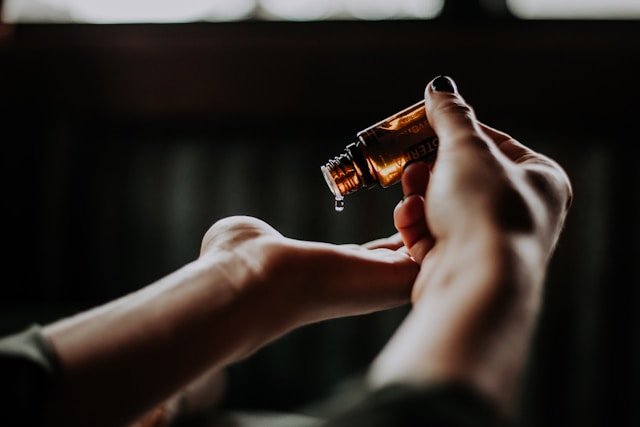
Warm 1–2 teaspoons of batana oil between your palms and massage into the scalp and hair ends. Cover with a soft towel for 20–30 minutes, then rinse or shampoo gently.
This helps restore lipid content, especially if you have dry or color-treated hair.
2️⃣ As an Overnight Mask
Apply sparingly through mid-lengths and ends before bedtime. In the morning, rinse with a sulfate-free cleanser to maintain softness and shine.
3️⃣ As a Finishing Oil
Rub a small drop between fingers and lightly smooth over hair to control frizz and add luster.
⚠️ Always use pure, cold-pressed batana oil. Because it is dense, a little goes a long way. Store away from direct sunlight to preserve nutrients.
Integrating Batana Oil Into a Gentle Care Routine
Gentle care means giving the scalp what it needs — time, balance, and protection.
Here’s how you can structure a simple regimen that includes batana oil:
Day 1: Batana oil scalp massage
Day 2: Wash with a gentle, sulfate-free postpartum shampoo
Day 3: Nutrition focus — iron, zinc, protein, hydration
Day 4: Rest day (no heat styling)
Day 5: Scalp exfoliation with sugar + aloe
Day 6: Apply lightweight leave-in serum or conditioner
Day 7: Repeat oil treatment if scalp feels dry
These small, consistent actions support the natural rhythm of recovery and help new growth emerge stronger.
Batana Oil vs. Other Natural Oils
| Oil | Main Benefit | Texture | Best For |
|---|---|---|---|
| Batana | Deep repair, shine, scalp nourishment | Thick, rich | Dry, postpartum, fragile hair |
| Argan | Softness, UV protection | Light | Daily use, frizz control |
| Coconut | Protein retention | Medium | Normal to coarse hair |
| Jojoba | Sebum balance | Light | Oily scalp, combination types |
Unlike lighter oils, batana is more occlusive — perfect for sealing in moisture when hair is especially dry or porous.
Cultural Legacy and Ethical Sourcing
Batana oil’s story carries the spirit of sustainability. The Miskito people have used and traded it for centuries, relying on forest conservation for harvests. Today, ethically sourced batana oil supports indigenous cooperatives and protects biodiversity in the La Mosquitia region of Honduras.
Choosing authentic, fair-trade suppliers not only ensures purity but also supports communities preserving this traditional craft.
What to Expect and How Long It Takes
Because hair growth cycles are slow, visible results take time.
Most people notice softer texture and reduced breakage within 2–4 weeks. Regrowth typically becomes more noticeable around 8–12 weeks of consistent care.
Remember — this is not a “quick fix” but a gentle partnership with your scalp’s own pace.
Key Takeaway
Batana oil is one of nature’s richest sources of nourishment for dry or postpartum-stressed hair. It restores elasticity, protects against oxidative damage, and strengthens each strand from the inside out.
When paired with a balanced cleanser like a gentle postpartum shampoo, it becomes a foundation for long-term scalp wellness — and a daily reminder that patience and softness always lead to resilience. 🌿
References
Fernandes, A. R., Lúcio, M., Costa, P., & Gonçalves, L. M. (2020). Natural antioxidants and their therapeutic potential: A review. Phytotherapy Research, 34(8), 1821-1832. https://doi.org/10.1002/ptr.6649
Khalid, K., Tan, X., & Zhao, S. (2019). Oleic acid and skin barrier function: A review. International Journal of Cosmetic Science, 41(5), 472-479. https://doi.org/10.1111/ics.12583
Rele, A. S., & Mohile, R. R. (2003). Effect of mineral oil, sunflower oil, and coconut oil on prevention of hair damage. Journal of Cosmetic Science, 54(2), 175-192.
Traber, M. G., & Atkinson, J. (2007). Vitamin E, antioxidant and nothing more. Free Radical Biology & Medicine, 43(1), 4-15. https://doi.org/10.1016/j.freeradbiomed.2007.03.024