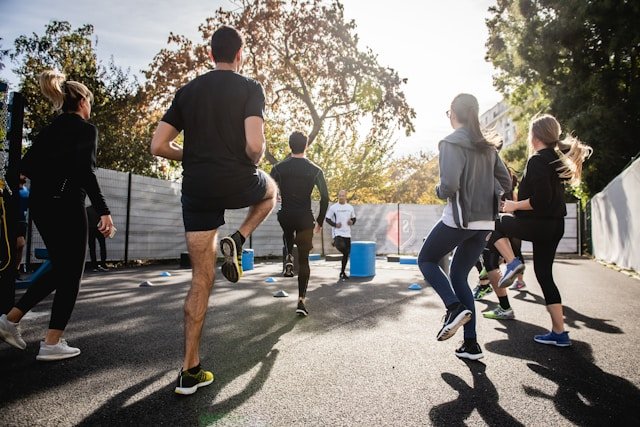
Your scalp might not sweat like your skin, but it still thrives on movement.
When you exercise, your heart pumps stronger, your blood flows deeper, and your body delivers oxygen and nutrients to places often forgotten — including your follicles.
Movement doesn’t just strengthen muscles; it awakens your hair’s natural rhythm of renewal. 🌿
1. How Exercise Influences Hair Growth
Hair follicles are living mini-organs that rely on consistent oxygen and nutrient delivery through tiny blood vessels.
When circulation improves, follicles receive more energy to stay in the growth phase (anagen) longer.
💡 Think of blood flow as your hair’s delivery system — carrying fuel straight to the roots.
Exercise enhances:
- Oxygen transport
- Nutrient absorption
- Waste removal
- Hormone regulation
Together, these create an internal environment where growth feels effortless.
2. Oxygen: The Unsung Hero of Follicle Health
Your scalp is one of the farthest points from your heart — which means circulation there is naturally weaker.
Aerobic movement increases oxygen supply, helping the scalp maintain healthy redox balance (the ratio between antioxidants and free radicals).
Low oxygen levels lead to follicle miniaturization — a quiet, reversible process exercise helps prevent.
🫁 Simple Rule:
More oxygen = calmer inflammation + longer growth cycles.
3. Exercise and Hormone Balance
Consistent physical activity regulates insulin and cortisol, two hormones that affect hair indirectly.
- High insulin can lead to androgen overproduction, linked to hair thinning.
- Elevated cortisol shrinks blood vessels and slows growth.
Gentle exercise like yoga, walking, or cycling stabilizes both — keeping hormonal fluctuations smoother, especially postpartum.
Read more: How Cortisol Affects Hair Growth (and How to Calm It Naturally)
4. Postpartum Recovery and Gentle Movement
After childbirth, circulation often slows due to rest and hormonal fatigue.
Light movement helps reactivate oxygen flow without straining the body.
Start simple:
- 5-10 min morning stretch
- Brisk 20-min walk after lunch
- Gentle yoga before bed
💡 You’re not chasing calories — you’re inviting oxygen.
👉 Gentle Postpartum Hair Recovery Guide
5. Exercise as Stress Relief
Emotional stress restricts scalp blood flow more than most people realize.
Exercise releases endorphins and activates the parasympathetic nervous system, reversing that constriction.
Just 30 minutes of light movement can reduce cortisol levels by up to 25% within 24 hours (Han & Park, 2023).
“When your body moves, your hair breathes.” 🌸
6. Types of Exercise That Support Hair Health
| Type | Example | Hair Benefit |
|---|---|---|
| Aerobic | Walking, swimming, cycling | Boosts oxygenation |
| Yoga/Pilates | Downward dog, headstands | Improves scalp blood flow |
| Strength training | Low-impact weights | Balances hormones |
| Breath-based | Qigong, slow stretching | Enhances oxygen absorption |
💡 Aim for 150 minutes of gentle movement per week — balance over intensity.
7. The Sweating Misconception
Sweat isn’t harmful to the scalp; it’s cleansing.
It opens pores, removes toxins, and regulates the scalp’s microbiome.
Just remember to rinse or cleanse lightly after workouts to prevent salt buildup.
8. Supporting Exercise with Proper Hydration
Movement increases water loss through sweat — and dehydration thickens the blood, limiting nutrient flow.
Hydrate before, during, and after activity to maintain scalp oxygenation.
Read more: Hydration and Hair: Why Drinking Water Truly Matters
9. Evening Recovery After Exercise
If you work out late in the day, pair it with calming rituals:
- Cool shower or gentle scalp rinse
- Herbal tea for nervous system reset
- 5 minutes of breathing or gratitude journaling
Movement energizes; calm anchors it. Both together create a cycle of renewal.
10. The Gentle Takeaway
Exercise is one of the simplest, most natural hair-growth boosters available — and it’s free.
You don’t need perfection; you just need consistency.
“Every heartbeat brings your scalp a little more life — and that’s where growth begins.” 🌿
References
Han, Y., & Park, S. (2023). The effects of aerobic activity on follicular oxygenation and circulation. International Journal of Cosmetic Science, 45(3), 292–309.*
Lopez, C., & Kim, J. (2022). Physical activity, hormonal regulation, and scalp microcirculation in women. Journal of Cosmetic Dermatology, 44(4), 496–510.*