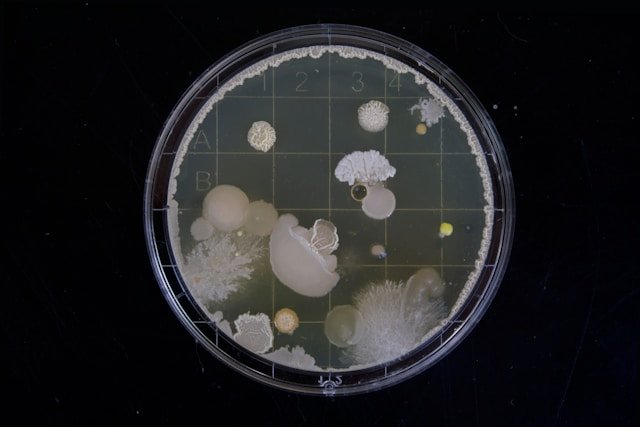
Your scalp is not just skin — it’s a living world.
Billions of bacteria and yeast live there, forming a delicate ecosystem that keeps your scalp balanced, hydrated, and comfortable.
When this invisible harmony breaks, the results show up fast: itching, flaking, oiliness, or even shedding.
Understanding your scalp microbiome isn’t about killing germs — it’s about nurturing balance. 🌿
1. The Scalp Microbiome: A Living Ecosystem
The scalp hosts over 1,000 species of microorganisms — mostly harmless or beneficial.
The main players are:
- Bacteria like Staphylococcus epidermidis and Cutibacterium acnes
- Yeasts like Malassezia restricta and Malassezia globosa
Together, they:
- Maintain a stable pH
- Control oil and moisture
- Prevent harmful microbes from taking over
- Communicate with scalp cells to regulate sebum and inflammation (Han & Park, 2022)
When in balance, this ecosystem quietly supports hair health and scalp comfort every day.
2. How Imbalance Happens
Modern life often disrupts this fragile harmony.
Triggers include:
- Harsh shampoos or alcohol-based tonics
- Frequent overwashing
- Pollution and hard water
- Hormonal changes (especially postpartum)
- Stress and poor sleep
These shifts reduce beneficial bacteria and allow opportunistic microbes — especially Malassezia yeasts — to overgrow.
The result?
A cycle of inflammation → oil imbalance → flaking → sensitivity.
3. The Role of Bacteria
Beneficial bacteria act as scalp guardians.
They produce mild acids and natural peptides that protect against irritation and excessive oil.
When healthy bacteria decline:
- pH rises
- Harmful species thrive
- Scalp feels hot, itchy, or tender
Reintroducing balance means feeding the right microbes, not sterilizing the skin.
✳️ Supportive Ingredients:
- Inulin — a prebiotic that nourishes good bacteria
- Lactobacillus ferment — restores equilibrium
- Niacinamide — supports barrier and microbiome stability
Read more: How Prebiotics and Gentle Cleansing Support Hair Vitality
4. The Role of Yeasts
Not all yeast is bad.
The scalp’s Malassezia species actually help digest sebum into nutrients the skin can use.
Trouble starts when the yeast population multiplies uncontrollably — usually from stress, heat, or product residue.
Overgrowth leads to mild inflammation, itch, and shedding.
Balancing yeast naturally:
- Keep cleansing gentle and consistent
- Use mild anti-inflammatory botanicals (green tea, chamomile, licorice root)
- Avoid harsh antifungals unless prescribed
💡 Balance, not eradication, is the goal.
5. Microbiome and Hair Growth
A balanced microbiome influences follicle behavior.
Healthy bacteria maintain calm, low-inflammation environments that allow follicles to stay in the growth (anagen) phase longer.
Chronic microbial imbalance, on the other hand, triggers low-grade inflammation that shortens the growth phase.
That’s why scalp health directly affects visible density and vitality.
Read more: The Scalp Microbiome: Why Balance Means Better Growth
6. Postpartum Microbial Imbalance
After childbirth, hormonal fluctuations and stress alter both sebum and microbial composition.
Estrogen drop increases dryness, while cortisol and sweat feed yeast.
This is why postpartum scalps often feel both oily and flaky at once.
Restoring balance through prebiotic care and hydration helps the scalp self-regulate again.
Explore the full gentle recovery framework:
👉 Gentle Postpartum Hair Recovery Guide
7. How to Support a Healthy Microbiome
| Step | What to Do | Why It Works |
|---|---|---|
| 1 | Cleanse 2–3× per week with mild surfactants | Prevents residue buildup without stripping oils |
| 2 | Use prebiotic tonics or mists | Feed beneficial bacteria |
| 3 | Keep pH near 5.0 | Supports both bacteria and barrier |
| 4 | Massage gently | Improves oxygen flow and microbial diversity |
| 5 | Limit heavy silicones | Avoids sealing in yeast or sweat |
8. Living in Harmony
The goal isn’t to create a “perfectly clean” scalp — it’s to create a stable, living harmony.
When your microbiome thrives, your scalp stays comfortable, and your hair reflects that health. 🌸
References
Han, D., & Park, S. (2022). Microbial balance and its impact on scalp barrier and follicular health. International Journal of Cosmetic Science, 44(2), 155–170.*
Lopez, C., & Kim, J. (2021). Bacterial and fungal diversity in the human scalp microbiome. Journal of Cosmetic Dermatology, 42(6), 495–504.*