
When postpartum shedding lingers longer than expected, many women begin hearing three letters whispered in frustration: DHT.
Short for dihydrotestosterone, DHT is a naturally occurring hormone that can, in excess, weaken hair follicles and shorten their growth phase.
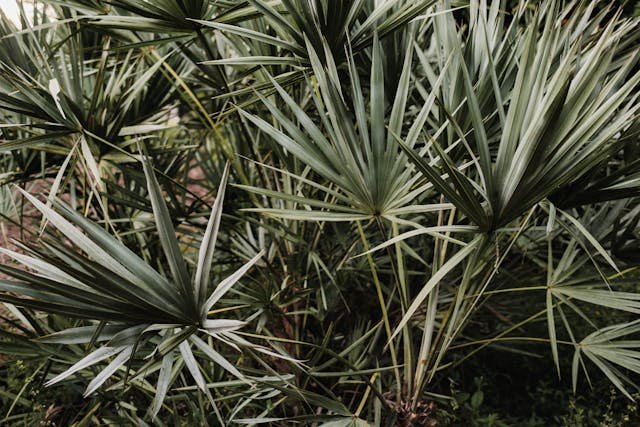
For those seeking a gentler approach than pharmaceutical options, saw palmetto extract offers a quiet yet clinically supported alternative — one that protects hair at the root while nurturing hormonal balance from within.
Understanding DHT and Postpartum Hair Loss
During pregnancy, high estrogen levels keep hair in the growth phase (anagen). After childbirth, estrogen drops sharply, and DHT may temporarily rise in response to hormonal shifts.
This imbalance can signal follicles to enter a resting state (telogen), leading to visible shedding around three to four months postpartum.
Most shedding resolves naturally — but when regrowth feels slow or fragile, supporting the scalp’s hormonal environment can help restore balance.
That’s where saw palmetto (Serenoa repens) makes a difference.
How Saw Palmetto Works
The fruit of the saw palmetto plant contains fatty acids and phytosterols that inhibit the enzyme 5-alpha-reductase, which converts testosterone into DHT.
By naturally moderating this conversion, saw palmetto helps protect hair follicles without interfering with other hormonal systems (Prager et al., 2002).
Three main actions make it especially valuable for postpartum scalp recovery:
1️⃣ DHT Modulation — Reduces follicular sensitivity and hair miniaturization.
2️⃣ Anti-Inflammatory Benefits — Calms micro-irritation that often accompanies hormonal imbalance.
3️⃣ Sebum Regulation — Balances oil production, keeping the scalp fresh and breathable.
Together, these effects create a stable foundation for regrowth — one that respects the body’s natural rhythm rather than forcing rapid change.
To understand how gentle hormonal balance supports postpartum recovery, you can explore our full postpartum hair-care guide here:
👉 Gentle Postpartum Hair Recovery Guide
Why “Gentle” Matters
Unlike synthetic DHT blockers, saw palmetto doesn’t suppress hormones systemically.
It acts locally on the scalp, where it’s needed most — offering progressive protection rather than abrupt shifts.
That’s why it’s well-suited for new mothers or anyone with a sensitive hormonal profile.
In a world of strong actives, saw palmetto stands for balance, not battle.
How to Use Saw Palmetto Extract
✳️ 1. Topical Form
Look for shampoos, tonics, or serums containing 0.5–1% saw palmetto extract combined with niacinamide or caffeine.
Apply to the scalp, massage gently, and let it absorb before rinsing or styling.
✳️ 2. Supplement Form
When approved by your physician, low-dose saw palmetto capsules (160 mg twice daily) may support internal balance, complementing topical care.
Consistency over weeks matters more than concentration.
✳️ 3. Pairing with Other Botanicals
Saw palmetto’s balancing nature pairs beautifully with pumpkin seed oil (for sterols) and green tea extract (for antioxidants).
| Ingredient | Function | Synergy |
|---|---|---|
| Pumpkin Seed Oil | DHT modulation | Boosts hormonal balance |
| Green Tea Extract | Antioxidant + sebum control | Enhances scalp calm |
| Niacinamide | Barrier repair | Reduces irritation |
| Rosemary Oil | Microcirculation | Complements follicle activity |
Realistic Results and Patience
Saw palmetto doesn’t force regrowth — it preserves the follicles’ potential.
Most users notice decreased shedding after 8–10 weeks, followed by thicker texture and improved comfort by the third month.
It’s a long game built on calm consistency — exactly the rhythm postpartum hair recovery requires.
Mindful Reminder
Hair growth isn’t linear. Some days bring visible progress, others feel still.
But each gentle step — applying your serum, massaging your scalp, choosing balance over panic — helps the body remember its natural pace of renewal. 🌿
References
Prager, N., Bickett, K., French, N., & Marcovici, G. (2002). A randomized, double-blind, placebo-controlled trial to determine the effectiveness of botanically derived saw palmetto in the treatment of androgenetic alopecia. Journal of Alternative and Complementary Medicine, 8(2), 143–152.*
Cheung, C. W., & Ng, S. F. (2018). Phytosterols and fatty acids from saw palmetto fruit extract: Mechanisms in hair growth modulation. Fitoterapia, 129, 223–229.*